
How I helped a coach get high-quality leads consistently with Google Ads
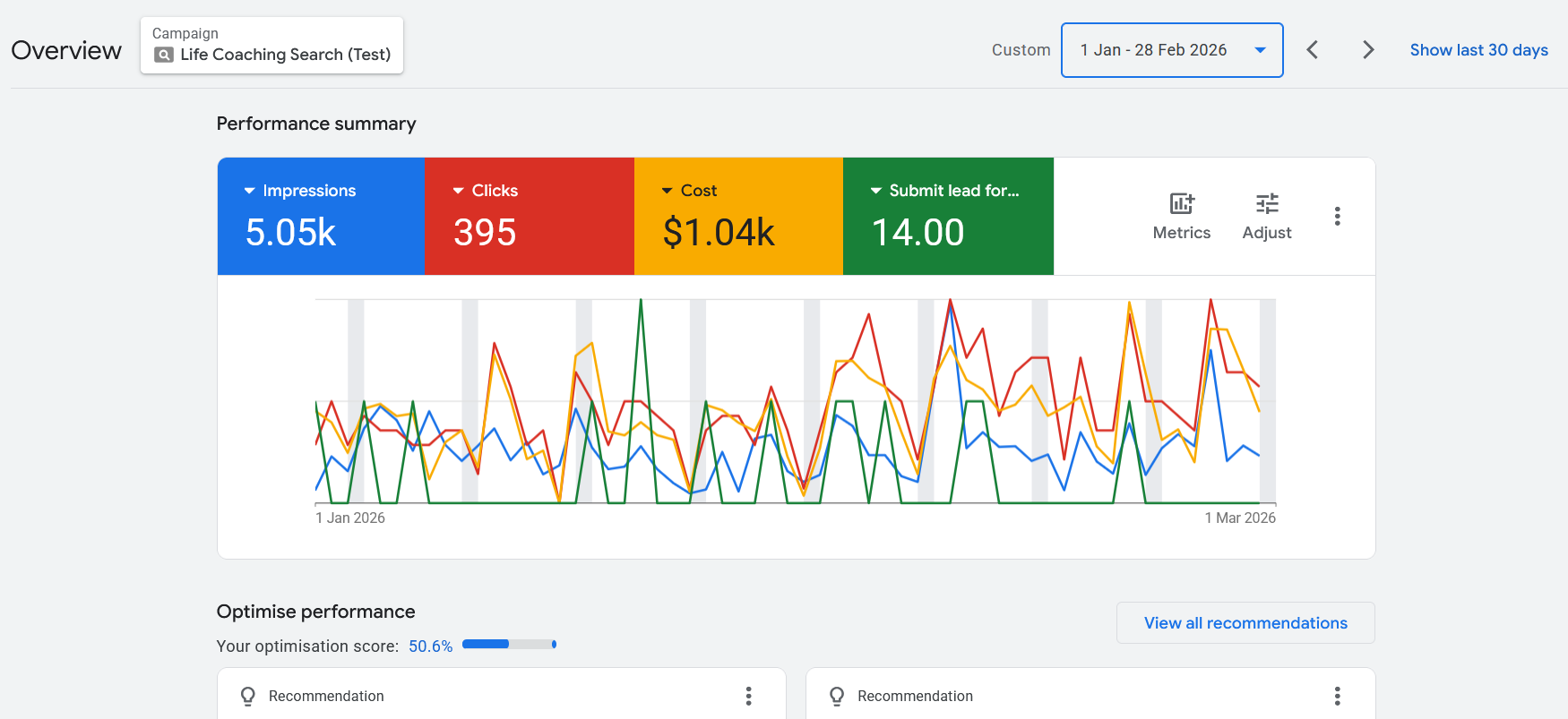
One of my clients had spent over $1,370 on Google Ads with no results. Within 3 months, I helped him build a simple marketing system that generated high-quality leads consistently and got him fully booked with a budget of just $15/day.
This case study shows how.
“And most importantly [Saurav] has helped me craft an online presence that is getting real results.”
—David Highley ICF PCC, coach for Founders, Executives & Professionals
The client
David is a high-ticket transformational coach based in San Diego, California. He is an ICF-certified coach with over 15 years of experience. He helps executives, business owners, and midlife professionals gain clarity, build confidence, and create meaningful change.
The challenge
David had run Google Ads before, but they didn’t bring any results.
When we first spoke, I offered to audit his existing Google Ads account to understand what was going wrong. Here’s what I found:
- He had spent $1,370 on Google Search Ads in 2025 with no results.
- Conversion tracking was set up incorrectly. The account was tracking homepage views as conversions. This trained the algorithm in the wrong way, which led to poor targeting.
- Keywords were set to broad match. They brought low-quality traffic and quickly drained the budget.
- The landing page was not optimized for conversions and lacked trust-building elements.
- The account had only one generic ad group, trying to speak to everyone. This lowered the quality score and increased costs.
- The ads did not include pre-qualifying terms. So people outside the target audience clicked on them. This increased costs without improving conversions.
- Audience targeting was inaccurate. Ads were shown to the wrong people, like job seekers looking for coaching jobs.
- The funnel was not clear. The contact page had both a calendar and a lead form. This confused visitors and reduced conversions.
I’ve audited many accounts, and this is quite common. Google Ads can be confusing. There are many settings, and even one small mistake can mess up the whole campaign. The worst part is you may not even realize what’s wrong. You would just keep spending money without results.
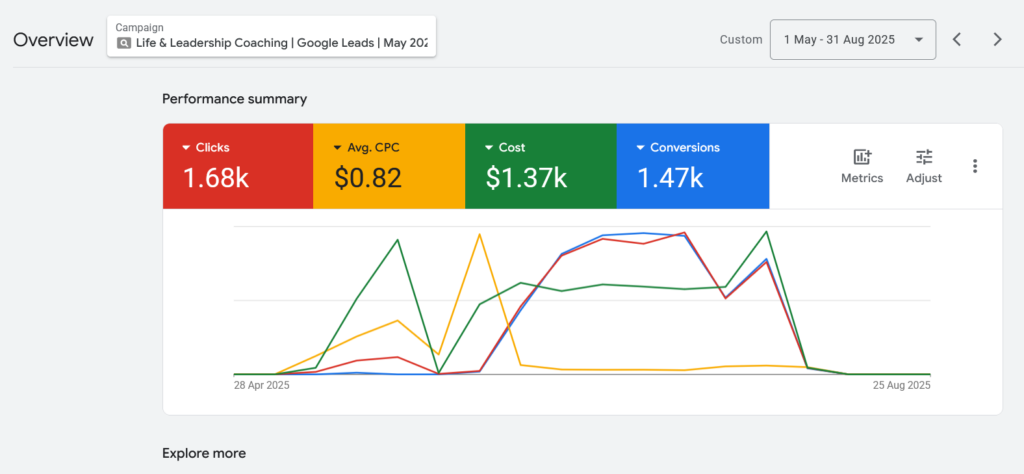
What I did
After auditing the campaign, I created a report and explained everything to David in simple terms.
I asked him about his business and goals. I reviewed his online presence and checked Search Console and GA4 data. And then I studied his competitors and researched keywords to understand what his audience was searching for.
Then I outlined the next steps. We decided to start with a fresh campaign.
Here’s what I did:
- Deleted incorrect conversion data from the previous campaign. This helped Google Ads learn from clean data and improve performance.
- Created a list of high-intent keywords. I also added negative keywords to block irrelevant traffic. I used phrase match instead of broad match to have more control over who sees our ads.
- Studied competitor ads to understand what was working and noted down ideas.
- Wrote clear and simple ads that spoke directly to his target audience. Added pre-qualifying terms to filter out the wrong people.
- Set up proper conversion tracking using Google Tag Manager, so we could measure real leads and feed data back to Google Ads.
- Guided him to create a separate landing page for ads. It included testimonials, benefits, experience, and credentials to build trust.
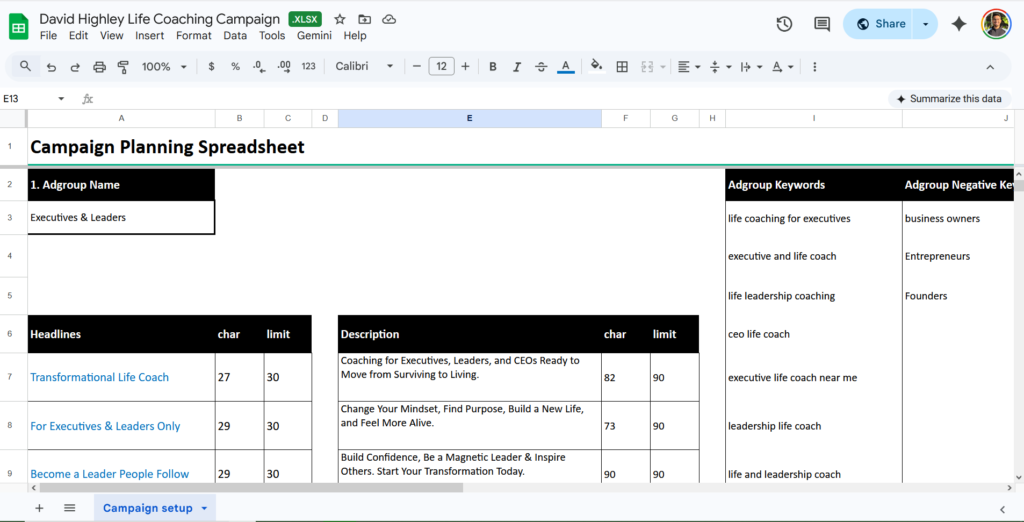
- Created three ad groups for different client types. This made the ads more relevant and reduced costs.
- Set up the campaign with the right settings. Used the Maximize Clicks strategy to bring in traffic and collect conversion data.
Once the campaign was live, I monitored it closely. I made changes to keywords, ads, and targeting. I suggested updates to the landing page and fixed issues in the account before they affected performance.
We met every month to review results. I shared a simple performance report and discussed next steps. I also answered his questions through WhatsApp and email whenever needed.
The results
Here’s what we achieved:
- The campaign started generating 3-4 leads per month with a budget of just $15/day that converted into clients. Within 3 months, David was fully booked. We even considered either hiring another coach or keeping new leads on a waiting list.
2. We generated high-quality leads consistently: people more likely to buy premium coaching.
For example, in January 2026, we generated 8 leads with a budget of $450.
In February 2026, we generated 6 leads with a budget of $600.
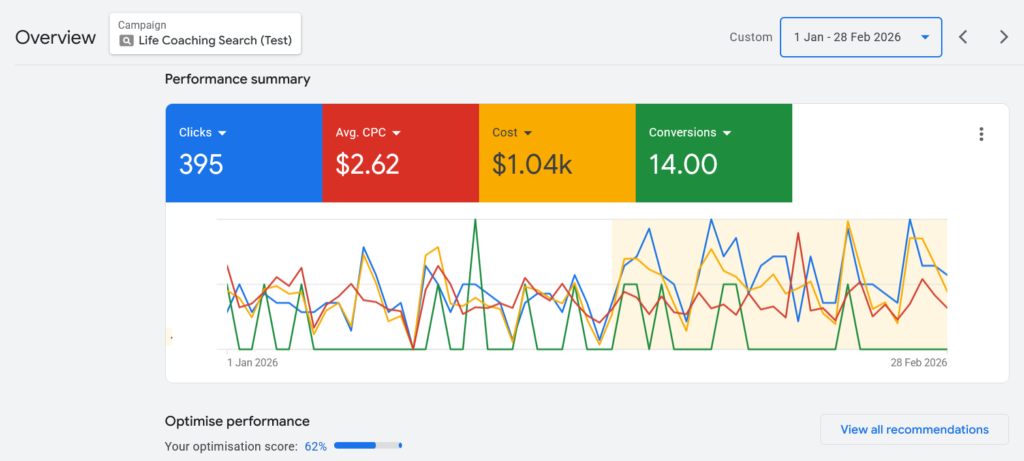
3. The conversion rate ranged between 8% and 30% each month. David offers premium coaching with 6-month contracts, so he does not need a high volume of clients. Even 1–2 new clients per month is enough. Some clients also renew, which improves long-term revenue.
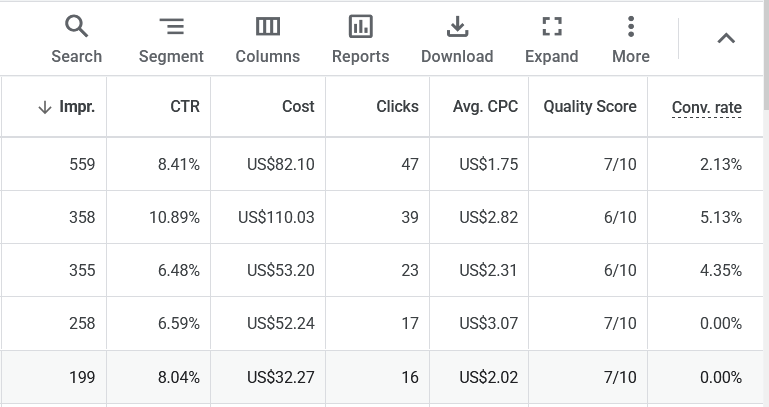
4. The ads performed well. In February 2026, the click-through rate (CTR) was 8.99%, which shows the ads were relevant. This also improved the Quality Score. Some of the main keywords reached a score of 7, which helped reduce the cost per click.
5. I also helped David save time by improving the funnel. Earlier, he booked calls with all prospects, which led to many unqualified meetings. I suggested using a lead form first. He could review responses and then invite only serious prospects to a call. This reduced wasted time.
6. The ads also gave us useful insights about the audience. We learned which headlines worked, which keywords they searched for, and details like device, location, age, gender, household income, etc. This helped us keep improving the ads, keywords, and landing page.
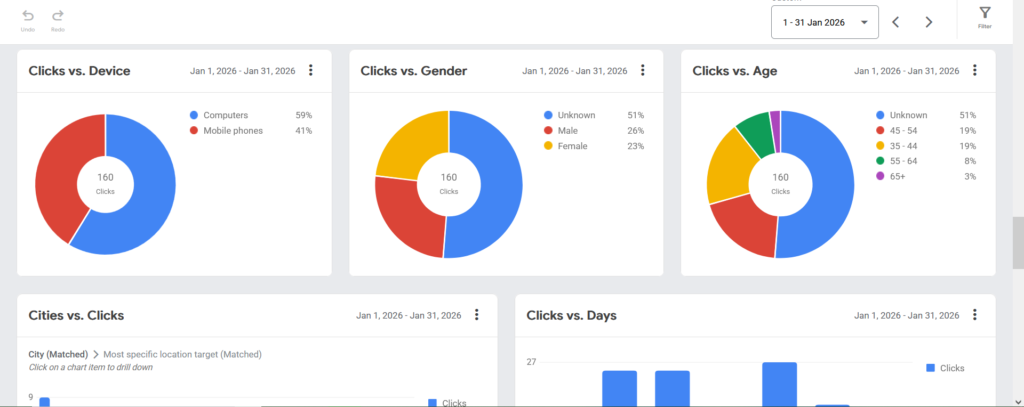
The campaign brings in around 230–250 clicks per month, most of which are high-quality.
By targeting the right keywords, we attract the right audience. This also helps build brand awareness. Some people may not convert immediately, but they come back later.
Most of your audience won’t be ready to buy. The goal of marketing is that when they are ready to buy, your brand is top of mind.
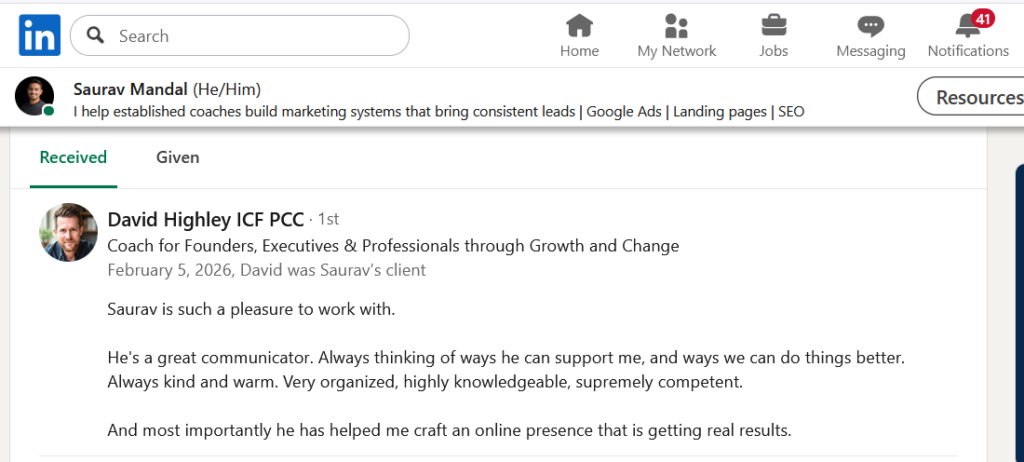
“Saurav is such a pleasure to work with.
He’s a great communicator. Always thinking of ways he can support me, and ways we can do things better. Always kind and warm. Very organized, highly knowledgeable, supremely competent.
And most importantly he has helped me craft an online presence that is getting real results.”
—David Highley ICF PCC, coach for Founders, Executives & Professionals
Key takeaway
Google Ads always brings traffic because you pay for every click.
But traffic is not the goal. Most coaches don’t need more visitors. They need the right visitors, clear messaging, and a simple funnel that converts.
When you target people who are already looking for your services, write ads that speak to them, and present a strong offer, they are much more likely to become clients.